
Please ensure Javascript is enabled for purposes of website accessibility
Featured Blog

When to See a Periodontist: Signs You Shouldn’t Ignore

Healthy gums play a major role in your overall oral health. At Dental Horizons in Longmont, we see how early detection of gum and bone issues can protect your smile long-term. If you’ve been wondering whether your symptoms call for a specialist, this guide outlines what to look for and how a periodontist can help.

What Does a Periodontist Do?

A periodontist is a dental specialist trained to diagnose and treat conditions involving the gums, the bone supporting the teeth, and surrounding structures. They manage concerns such as advanced gum disease, gum recession, deep pockets, and bone loss. They’re also involved in procedures involving implants and preparation for implant placement.

General dentists manage routine gum health, cleanings, early gum disease, and preventive care. When symptoms progress or become more complex, a periodontist may be recommended for deeper evaluation.

What Makes a Periodontist Different from a General Dentist?

  • General dentists provide wide-ranging care such as cleanings, fillings, crowns, basic gum assessments, and regular checkups.
  • Periodontists complete additional specialized training after dental school, focusing on diagnosing and treating moderate to advanced gum and bone concerns. They also perform gum-related surgeries and procedures that prepare the mouth for implants.

If your gum condition is mild, we’ll monitor it and provide treatment. If you’re dealing with symptoms like persistent bleeding, gum recession, loose teeth, or planning for implants, we may recommend that you receive care from a periodontist.

Signs You Shouldn’t Ignore – When It’s Time to See a Periodontist


Watch for the following:

  • Bleeding gums during brushing or flossing
  • Gum tenderness or swelling
  • Receding gums or visible tooth roots
  • Ongoing bad breath despite good brushing habits
  • Teeth that feel loose or shifting
  • Deep gum pockets identified during your exam
  • Planning for dental implants when gum disease or bone loss is present

Gum disease often progresses quietly, so early evaluation makes a meaningful difference.

Why Prompt Periodontal Care Matters

  • Early treatment helps protect the bone and gum support around your teeth
  • Gum health is linked to overall health, including certain systemic conditions
  • Strong, healthy gums and bone are essential before starting implant treatment
  • Early care helps reduce the need for more complex procedures later on

How Often Should You See a Dentist for Preventive Care?

Many patients do well with preventive visits every six months. If you have a history of gum disease, diabetes, smoking, or gum recession, we may recommend a three-to-four-month schedule.

What to Expect During a Periodontal Evaluation

During your appointment, you can expect:

  • A review of medical history, medications, and oral health habits
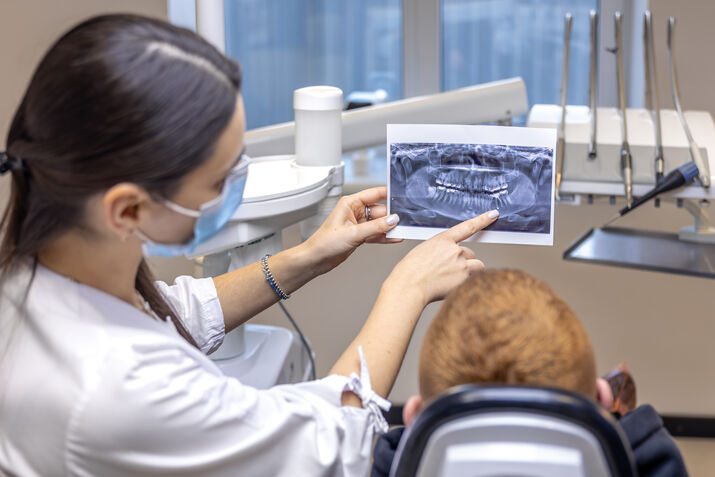
  • A full gum exam, including measuring pocket depths and reviewing x-rays
  • Evaluation of bone support and any gum recession
  • Discussion of treatment options, which may include deep cleaning (scaling and root planing), gum therapy, bone or tissue support procedures, or implant preparation
  • A coordinated plan between your general dentist and specialist for seamless care

About Our Team

At Dental Horizons in Longmont, our team provides general and periodontal services in one welcoming environment. We combine preventive, restorative, and advanced treatment options to support gum health, tooth stability, and long-term oral wellness. Whether you need routine care or a specialist evaluation, we’re here to guide you every step of the way.

Interested in learning more about our team? Visit this page now!

Patient Review
“I have been in the care of Dr. Ribbens for many years. He is very skilled, gentle, and attuned to the needs of patients. His care has helped me to overcome the repercussions of very painful childhood dental experiences. I am grateful for the services of Dr Ribbens and his hygienist, Erin.” – John F.

Healthy gums form the foundation of a healthy smile. If you’ve noticed any of the warning signs above – or you’re preparing for implant treatment – now is the right time to see us for a periodontal evaluation.

Call (720) 204-2168 today to book your appointment. We’re here to help you protect your smile and prevent gum concerns!

FAQs

Q1: At what point should I see a periodontist in Longmont?
If you’re experiencing persistent gum bleeding, recession, loose teeth, or if we identify deep pockets or bone loss, we may recommend visiting a periodontist to evaluate the underlying cause.

Q2: How often should I see my general dentist before needing a specialist?
Most patients do well with visits every six months, but if you’re at higher risk for gum problems, you may need care every three to four months. Our team will recommend a personalized schedule based on your unique needs.

Q3: What separates a periodontist from a general dentist?
A periodontist completes additional training focused on treating advanced gum disease, bone loss, and gum-related conditions. While general dentists handle preventive and restorative care, periodontists step in when gum concerns become more complex or surgical treatment is needed.

Q4: How are dental implants linked with periodontal health?
Healthy gums and strong bone are necessary for implant stability. If you have gum disease or bone loss, a periodontist may recommend treatment to strengthen the foundation before implant placement, helping improve long-term success.

Q5: Is sudden gum swelling or pain considered an emergency?
Yes, these symptoms can indicate infection or a developing abscess. Contact us at (720) 204-2168 right away to ensure that the cause can be addressed before it affects the surrounding bone or teeth.


Featured Blog

Same-Day vs Traditional Dentures: Which Fits Your Lifestyle Best?

If you’re missing teeth in Longmont, CO, even simple routines like meals, conversations, and smiling can feel different. At Dental Horizons, we help patients explore full dentures, partial dentures, implant-retained options, and permanent dentures – so you can choose what fits your health needs and daily life.

What Denture Options Do We Provide?

  • Partial dentures replace several missing teeth while keeping the healthy ones you still have.
  • Full dentures replace an entire upper or lower arch.
  • Same-day dentures (also known as immediate dentures) are created ahead of time and placed the same day as extractions, so you leave with teeth.
  • Traditional dentures are made after gums heal, usually over a few weeks.
  • Permanent dentures often describe fixed or implant-supported options that stay in place.

If you’re also considering dental implants (and searching “dental implants Longmont CO”), we can help explain how they compare.

Same-Day Dentures: Pros & Considerations

Advantages

  • You leave the office with replacement teeth the same day.
  • They help you speak and chew sooner after extractions.
  • They offer temporary coverage while gums begin healing.

Considerations

  • As gums heal, the fit may change, and adjustments or relines may be needed.
  • They may serve as a short-term step before a more customized denture.

What is a same-day denture, and how long does it take to create?

The impressions are typically taken before extraction, so the denture is ready the same day. You’ll have one main appointment for extraction and placement, followed by check-ups for adjustments.

Traditional Dentures: Pros & Considerations

Advantages

  • They’re made after tissues heal, allowing for a more stable long-term fit.
  • Many patients appreciate the straightforward, non-surgical process.

Considerations

  • Healing must occur before impressions and fabrication begin, so there may be a period without full replacement teeth unless temporary options are used.
  • Adjustments may still be needed over time.

How to Choose Based on Your Lifestyle

ConsiderationSame-Day DentureTraditional Denture
Immediate replacement✔ Yes✘ Healing time first
Follow-upsMore frequentOften fewer
ConvenienceQuick placement, more relinesLonger process, more stable fit
StabilityChanges as you healMore stable after healing

What to Expect from Denture Treatment at Dental Horizons

  • Full examination, imaging, and evaluation of your gums and jawbone
  • Discussion of same-day vs traditional dentures, partial vs full dentures, and implant-retained options
  • Impressions and preparation for either immediate or traditional dentures
  • Placement, adjustments, and instructions for daily care
  • Long-term planning to keep your dentures comfortable and functional

We support patients who need economical denture options as well as more advanced restorative choices.

Local Advantage: Why Longmont Patients Turn to Us

Our clinic proudly serves Longmont and Boulder County with general, cosmetic, and restorative dentistry under one roof. Whether you’re seeking “dentures Longmont,” exploring “dental implants Longmont CO,” or needing a local emergency dentist, one consistent team manages your care.

About Our Team

At Dental Horizons, our team provides family-centered dental care designed around your comfort, goals, and long-term oral health. We combine modern technology, clear explanations, and a supportive environment to help you make informed decisions about dentures, implants, and restorative treatments.

Interested in learning more about our team? Visit this page now!

Patient Review

“Dr. Kelson and his team are amazing. His knowledge of dentistry and how the mouth leads to whole health is like none other I have been to. He was gentle and walked me through my dental procedure, making sure all my questions were answered. His team is thorough; it was like getting the 5-star experience I never knew existed in dentistry. I won’t ever be able to see another dentist again.” – Cara H.

The right denture choice depends on your health needs, timing, and comfort preferences. Whether you lean toward same-day or traditional options, we’ll help you understand what to expect and how to plan for long-term success.

Ready to explore dentures in Longmont? Call (720) 204-2168 to schedule your consultation today!

FAQs

Q1: What is the difference between same-day and traditional dentures?
Same-day dentures are placed immediately after extractions, so you leave with teeth right away. Traditional dentures are made after gums heal, which may provide a more stable long-term fit. We help determine which approach suits your timeline and comfort. Have questions or would you like to schedule a consultation? Call (720) 204-2168 now!

Q2: How long do dentures last?
With good care, dentures can last several years, though fit may change as gums and bone naturally shift. Regular checkups allow us to evaluate fit, make adjustments, and keep your dentures functioning well.

Q3: Are permanent dentures the same as implant-supported dentures?
Permanent dentures often refer to implant-supported options that stay in place more securely. Not all patients require or qualify for implants, so we review bone health, medical history, and goals to help you choose between traditional and implant-retained styles.

Q4: How do I care for my dentures?
Daily cleaning, soaking, brushing gums, and staying consistent with dental visits help maintain your dentures. We’ll demonstrate proper care techniques and provide a schedule for check-ups and adjustments based on your denture type.

Q5: Are dentures a good option if I’m not ready for implants?
Yes, dentures remain a practical, accessible solution when implants aren’t the right fit. If you’re interested in learning more about dentures, call us at (720) 204-2168 today to schedule an in-depth consultation. We’ll review your oral health, lifestyle, and long-term goals and provide you with tailored recommendations!

Featured Blog

How Sleep Apnea and Shallow Breathing Affect Oral Health

When was the last time you woke up truly refreshed? If mornings feel groggy and your partner nudges you about snoring, obstructive sleep apnea – often shortened to OSA – could be part of the story.

What is obstructive sleep apnea?

Obstructive sleep apnea occurs when the throat muscles reduce the space for air to pass through. Sleep apnea involves breathing disruptions during sleep. In OSA, these disruptions are caused by a physical narrowing of the airway.

In contrast, Central Sleep Apnea (CSA) occurs due to a communication failure between the brain and the breathing muscles. Regardless of the type, these interruptions severely reduce sleep quality and can lead to serious health issues if left untreated. It is critical to consult a doctor for necessary testing and treatment if you suspect you are at risk.

Why your dentist may be part of the solution

Our dentist in Longmont proudly provides personalized oral appliance therapy and The Vivos System.

Custom Oral Appliance: This device, also known as a mandibular advancement device, resembles a sports mouthguard. It works by gently shifting your lower jaw forward during sleep. This forward position helps to keep the throat muscles tight and the airway open, effectively preventing airway collapse that causes sleep apnea.

The Vivos System: This is a well-tolerated, non-surgical, and non-pharmaceutical treatment protocol designed for sleep apnea and breathing issues. The Vivos System works over time to naturally enhance and remodel the upper airway, creating lasting structural changes that improve breathing during sleep.

Potential benefits patients report

  • Reduction in snoring that disturbs bed partners.
  • Fewer nighttime awakenings and more continuous sleep.
  • Improved daytime alertness and mood.
  • Convenient travel – no hoses or power source needed.

Results vary person to person, and success depends on diagnosis, precise fitting, and follow-up adjustments.

First things first – how diagnosis works

After a thorough evaluation of your symptoms and medical history, we will refer you to a sleep specialist to perform a sleep study. This study will record vital signs, including your oxygen levels, respiratory and brain activity, chest movements, and snoring. If it is determined that you have OSA, the study will confirm the severity of the condition and provide critical insight into its underlying causes.

How long does treatment last?

OSA is typically a chronic condition. Many people wear an appliance every night for ongoing control, similar to how eyeglasses correct vision while worn. Expect periodic follow-ups to maintain comfort, check oral health, and confirm the device remains effective.

About Our Practice: Dental Horizons is recognized for providing gentle, attentive care . We treat every patient like family. Learn more about our team via our About page.

What Longmont Patients Are Saying

“The staff are welcoming and dynamic. The dentists are professional, honest, and have incredible skills. I am being treated for sleep apnea with an oral appliance, and I am having great success!” – Family L.

Ready to sleep better and breathe easier?

Call our team at Dental Horizons for personalized sleep apnea treatment in Longmont at (720) 526-3146!

FAQs About Sleep Apnea Treatment

Is a dental appliance effective for sleep apnea?

Yes, custom oral appliances are an approved and effective treatment, primarily targeting mild to moderate OSA. These Mandibular Advancement Devices (MADs) resemble a standard mouthguard and are custom-fitted by our trusted doctor to reduce snoring and significantly improve sleep quality. Visit our Breathing and Sleep Apnea Treatment for more information!

What is a sleep study?

A sleep study is the required diagnostic tool used to accurately diagnose both obstructive and central sleep apnea. If it’s determined that you have OSA, the study will determine the severity and may provide insight into what’s causing it. Before receiving any sleep apnea treatment in Longmont, this study is essential. Have questions? Call us now at (720) 526-3146!

Does sleep apnea develop in children?

Yes, although often associated with adults, sleep apnea does occur in young people. In children, OSA is far more common than the central type, affecting an estimated 1% to 5% of the child population. If you are concerned about whether your child has sleep apnea, please book a consultation now by connecting with us at (720) 526-3146!

What are some risk factors for sleep apnea?

The risk for OSA is primarily influenced by physical factors, such as being male, increasing age up to the 60s/70s, and having specific anatomical features like a large tongue. In contrast, (CSA) typically results from an underlying medical condition, such as heart or kidney failure, a stroke, or infections affecting the brain stem. For more details about risk factors, schedule a consultation with us by calling (720) 526-3146!

How much does sleep apnea treatment in Longmont cost?

Prices can vary based on device design, customization, and your unique needs. Depending on your plan, medical insurance – not dental – may offer benefits for medically necessary oral appliance therapy. Our friendly and understanding staff can provide a benefits check and outline options before you decide. For more details, visit our Contact page!